Dead Branch Removal in Allentown, PA
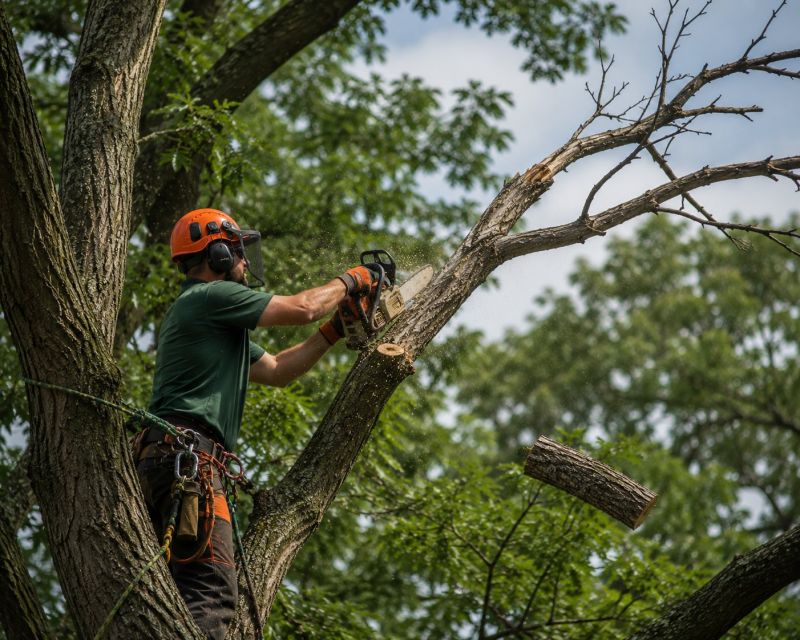
Dead branch removal services involve safely trimming or cutting away dead, dying, or damaged branches from trees and shrubs. This process helps improve the overall health and appearance of the landscape, reduces the risk of falling branches that could cause property damage or injury, and supports the longevity of the trees. Projects typically include removing weak or broken limbs, thinning out dense canopies, and addressing branches that interfere with structures, power lines, or pathways. Property owners often want to understand the scope of work, the safety measures involved, and how the removal may affect the tree’s health before requesting these services.
Before requesting dead branch removal, property owners should consider the size and location of the branches in question, as well as any potential impact on the tree’s stability and growth. It’s important to identify which branches are truly dead or hazardous and to determine if removal might require specialized equipment or techniques. Understanding the overall condition of the tree and the surrounding landscape can help ensure the right approach is taken to maintain safety and aesthetics. Contacting professionals for an assessment can provide clarity on the best course of action for dead branch removal projects.
Many property owners in Allentown, PA look into Dead Branch Removal for repairs, replacements, upgrades, and appearance-related improvements.
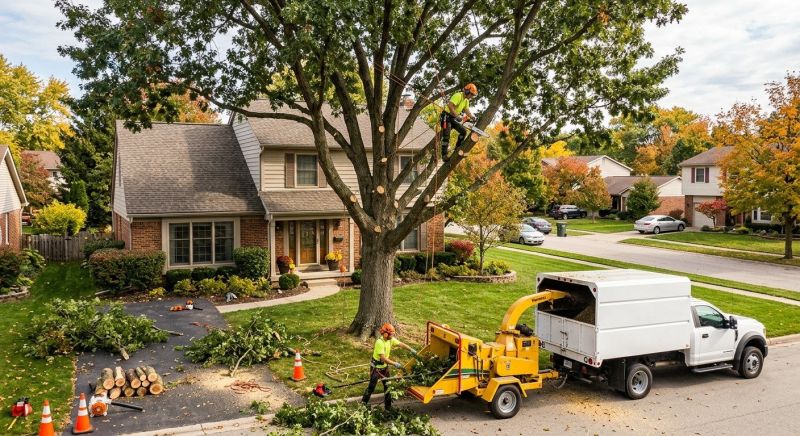
Hazard Prevention
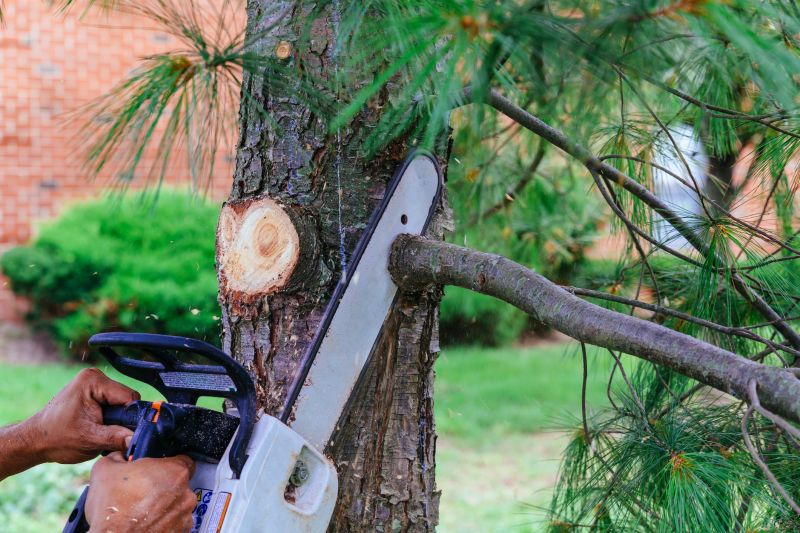
Removing dead branches reduces the risk of falling and property damage.
Tree Health
Pruning dead branches helps maintain the overall health and growth of trees.
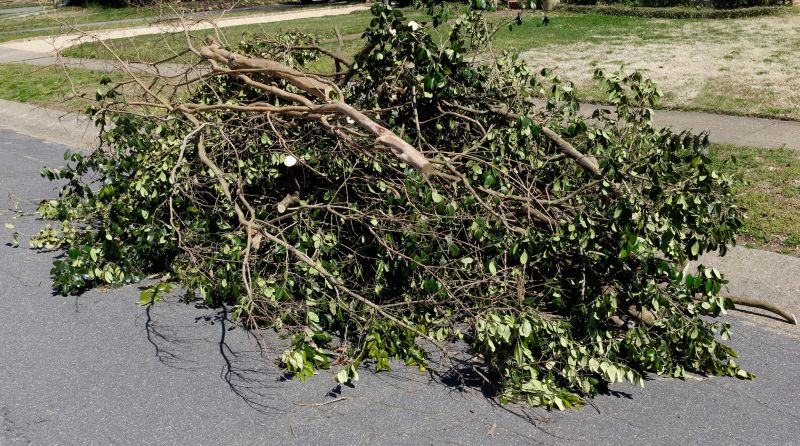
Property Aesthetics
Clearing dead branches enhances the appearance and curb appeal of your landscape.
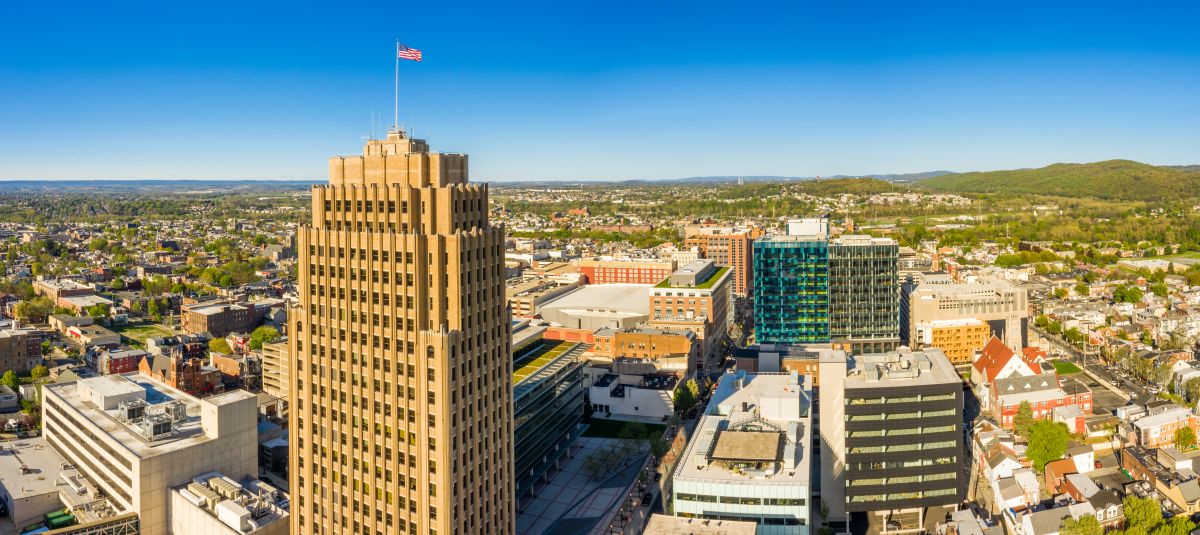
Dead Branch Removal in Allentown, PA
Dead branch removal services involve safely trimming or cutting away dead, dying, or damaged branches from trees and shrubs. This process helps improve the overall health and appearance of the landscape, reduces the risk of falling branches that could cause property damage or injury, and supports the longevity of the trees. Projects typically include removing weak or broken limbs, thinning out dense canopies, and addressing branches that interfere with structures, power lines, or pathways. Property owners often want to understand the scope of work, the safety measures involved, and how the removal may affect the tree’s health before requesting these services.
Before requesting dead branch removal, property owners should consider the size and location of the branches in question, as well as any potential impact on the tree’s stability and growth. It’s important to identify which branches are truly dead or hazardous and to determine if removal might require specialized equipment or techniques. Understanding the overall condition of the tree and the surrounding landscape can help ensure the right approach is taken to maintain safety and aesthetics. Contacting professionals for an assessment can provide clarity on the best course of action for dead branch removal projects.
Many property owners in Allentown, PA look into Dead Branch Removal for repairs, replacements, upgrades, and appearance-related improvements.
Common Dead Branch Removal Jobs
Dead Tree Removal - safely removes hazardous or dying trees to protect property and safety.
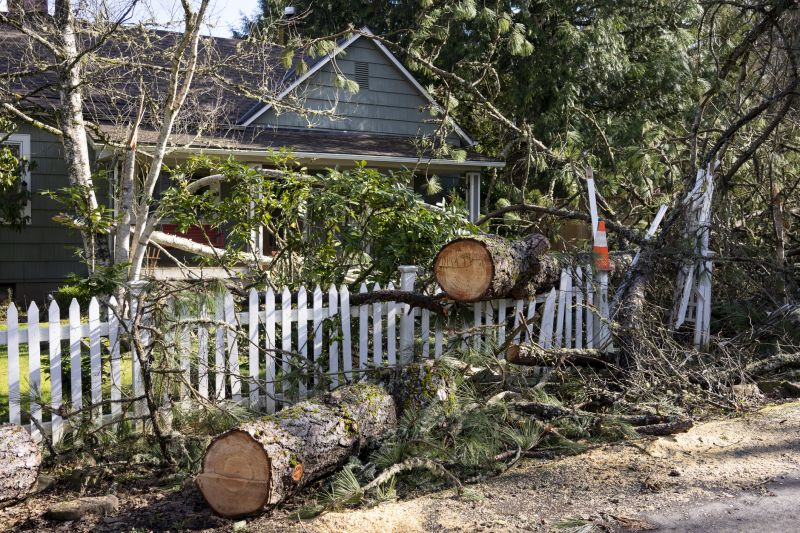
Storm Damage Cleanup - clears fallen or broken branches after severe weather events.
Overgrown Branch Trimming - reduces excessive branch growth to prevent damage and improve tree health.
Emergency Dead Branch Removal - quickly addresses urgent branch hazards that pose immediate risks.
Tree Health Assessment - evaluates dead or dying branches to determine necessary removal or treatment.
Property Maintenance - maintains aesthetic appeal and safety by removing dead or decaying branches regularly.
Dead Branch Removal Questions
Why should dead branches be removed? Removing dead branches helps prevent potential damage to the tree and nearby property, reducing the risk of falling limbs during storms.
How does dead branch removal benefit property safety? Clearing dead branches minimizes hazards such as falling debris that could cause injury or damage to vehicles and structures.
What types of trees typically require dead branch removal? Dead branch removal is common for all tree types, especially mature trees with overgrown or damaged limbs.
Is dead branch removal necessary for tree health? Yes, removing dead branches promotes better air circulation and allows the tree to focus energy on healthy growth.
Request Dead Branch Removal in Allentown, PA
Use the quote form on this page to share the basics of your project and request more information for the type of work you need.